

Walk through a supermarket in Hialeah, a courthouse in Orlando, or a hospital waiting room in Fort Lauderdale, and English is only one voice among several. Florida’s population has grown faster than almost any other state in the country, and much of that growth comes from people who bring their own languages with them.
For businesses, healthcare providers, schools, and government agencies operating in Florida, knowing which languages residents actually speak at home is not a curiosity. It shapes how organizations communicate, comply with regulations, and reach the people they serve.
Florida’s Top Languages Besides English
According to U.S. Census Bureau data, roughly one in four Florida residents age five and older speaks a language other than English at home. Spanish leads by a wide margin, followed by Haitian Creole, French, and Portuguese.
| Language | Share of Florida Population (age 5+) |
| English (primary language at home) | 78% |
| Spanish | 13.4% |
| Haitian Creole (French Creole) | 1.8% |
| French | 0.6% |
| Portuguese | 0.5% |
| All other languages combined | Remainder, including Chinese, German, Vietnamese, Tagalog, Arabic, and Italian |
These figures reflect language spoken at home, not fluency or ancestry, so the number of people who understand or occasionally use a language is higher than what the table shows.
Spanish: The Second Language of Florida
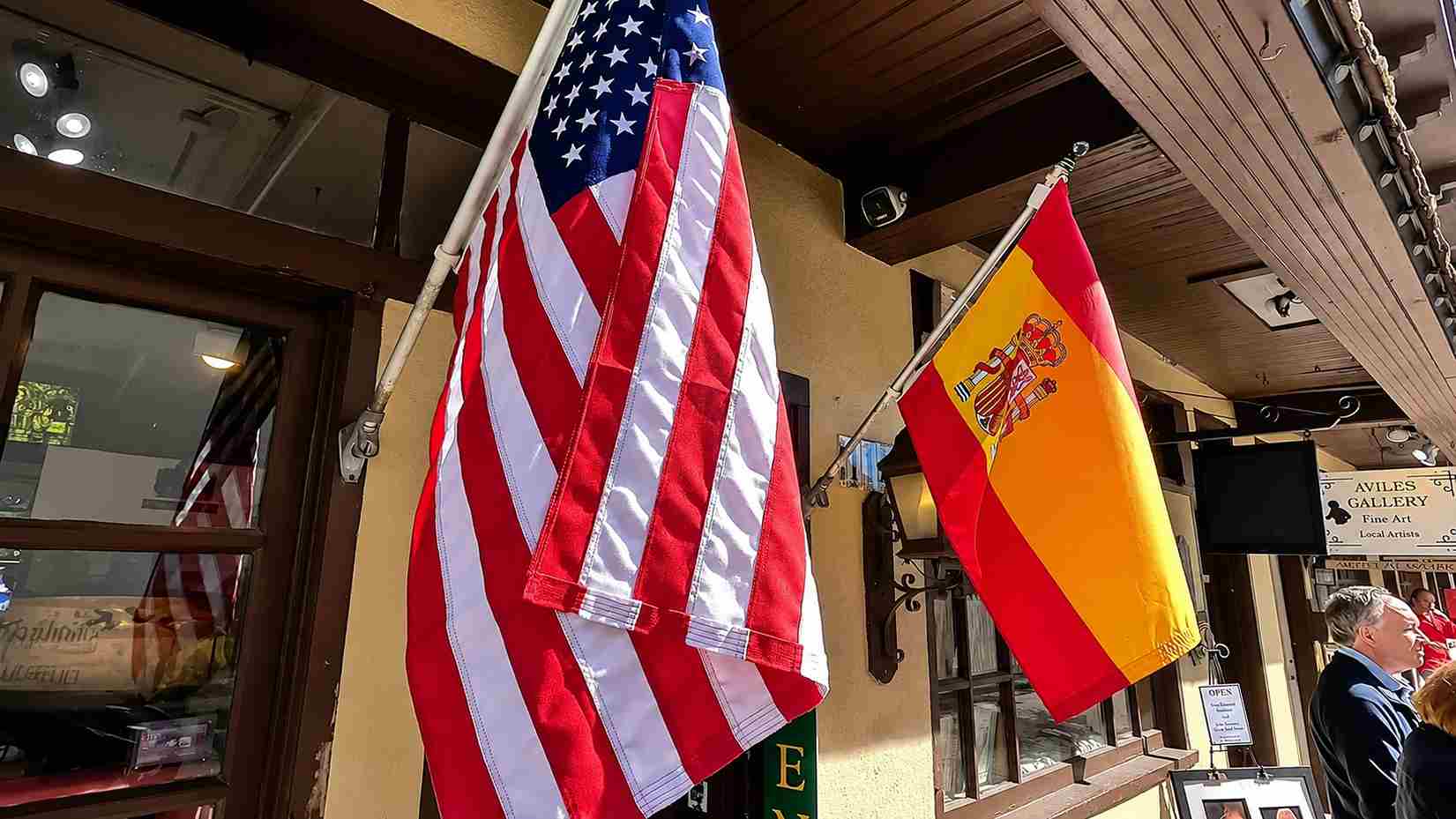
Spanish is spoken by nearly one in five Florida residents, and in parts of the state it functions as a primary language of daily life rather than a secondary one. Miami-Dade County has the highest concentration, with large Cuban, Colombian, Venezuelan, and Puerto Rican communities, each carrying distinct regional vocabulary and accents. Orlando and Tampa also have substantial Spanish-speaking populations tied to Puerto Rican and Mexican migration patterns.
For organizations working with Spanish-speaking clients, patients, or employees, precision matters. Cuban Spanish, Mexican Spanish, and Caribbean Spanish are not interchangeable in tone or terminology, particularly in legal and medical documents where a mistranslated term can create real consequences.
We provide Spanish translation services with native linguists who account for these regional differences in certified and business translations.
Haitian Creole: Florida’s Second Most Common Non-English Language
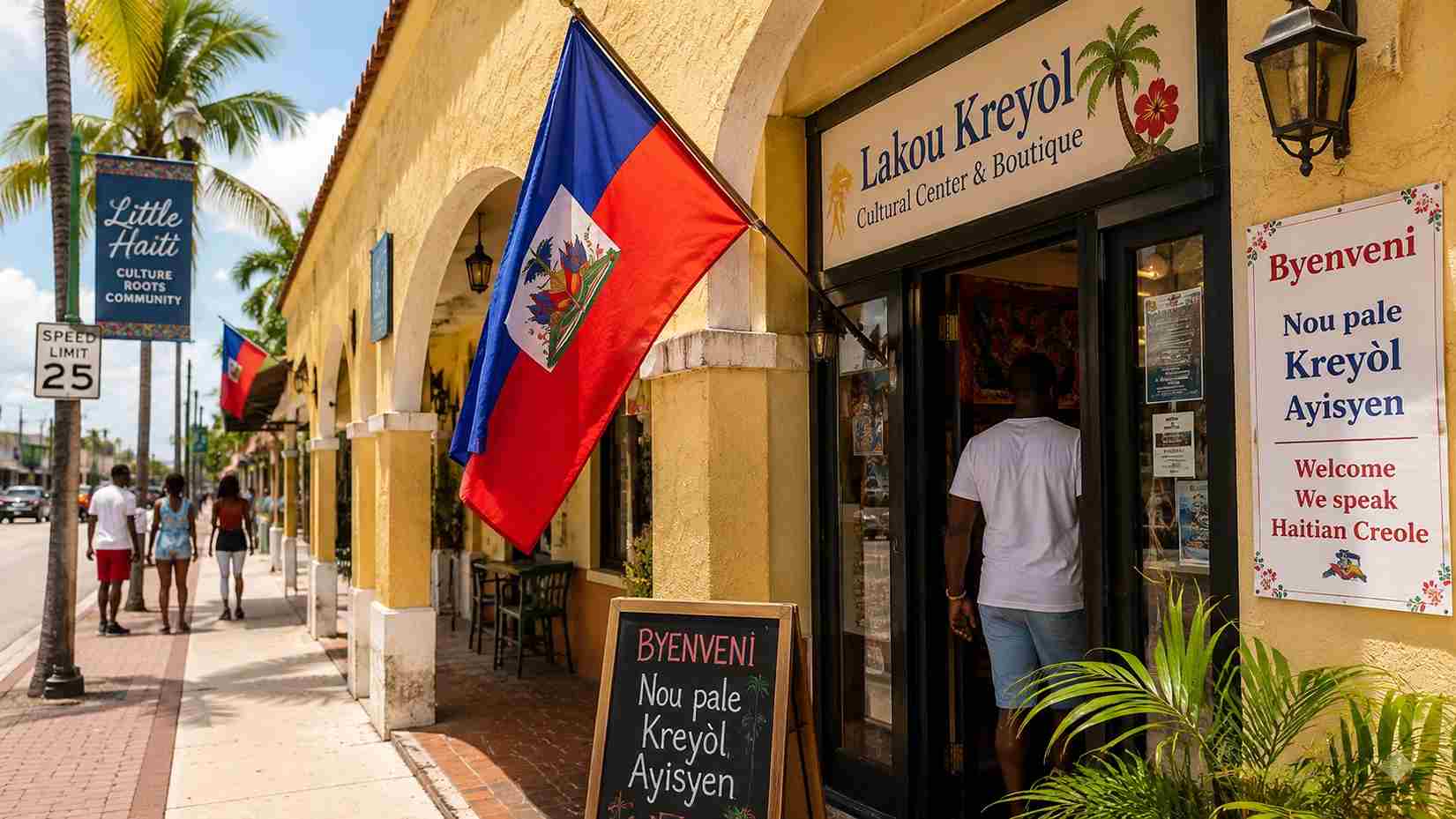
Haitian Creole ranks second among languages spoken at home in Florida, with the largest concentration of speakers in South Florida, particularly Miami-Dade and Broward counties. The language developed from French and West African influences and has its own grammar and vocabulary distinct from standard French, which means French translations cannot substitute for it.
Haitian Creole speakers rely on accurate translation in courtrooms, hospitals, and schools across South Florida, where the community has deep historical roots.
We offer Haitian Creole translation services for legal, medical, and administrative documents that require certified accuracy.
French: A Smaller but Established Presence
French speakers in Florida include descendants of Haitian and Canadian immigrants, along with residents from France and various francophone African nations. While the population share is smaller than Spanish or Haitian Creole, French speakers are concentrated in South Florida and parts of the Panhandle, and demand for French translation remains steady in legal, academic, and business contexts.
We support these needs through French translation services covering both France French and regional variants.
Portuguese and the Brazilian Community

Portuguese speakers in Florida are largely of Brazilian origin, with communities concentrated in South Florida cities such as Pompano Beach and Deerfield Beach. Brazilian Portuguese differs from European Portuguese in pronunciation, vocabulary, and some grammar, a distinction that matters for business and legal translation.
Many Brazilian residents also speak Spanish, which has contributed to a layered multilingual environment in parts of Broward and Palm Beach counties.
Chinese, German, and Other Growing Language Communities
Beyond the top four, Florida is home to established communities speaking Chinese, German, Vietnamese, Tagalog, Arabic, Italian, and Russian, among others. Chinese speakers, including Mandarin and Cantonese dialects, are present in growing numbers around Orlando and South Florida, driven in part by international business and academic ties.
We provide Chinese translation services for organizations working across these communities.
German, Italian, and other European language speakers tend to cluster around retirement and seasonal resident communities on both coasts, while Vietnamese and Tagalog speakers have built strong community networks in Central Florida
Why Florida’s Language Diversity Matters for Businesses and Institutions

Florida’s multilingual population affects how organizations operate across several areas.
- Healthcare. Patients with limited English proficiency need accurate translation of intake forms, consent documents, and discharge instructions. Miscommunication in a medical setting carries direct risk to patient safety.
- Legal and government services. Courts, immigration offices, and government agencies regularly require certified translations of documents such as birth certificates, contracts, and affidavits. Requirements vary by receiving institution, so working with a provider familiar with certification standards saves time and prevents rejected submissions.
- Education. Florida’s school districts serve students from families speaking dozens of languages, and communication with parents often requires translated materials and interpretation support during meetings.
- Business and commerce. Companies operating in Florida, or trading with Latin America, Haiti, Brazil, and francophone markets, benefit from accurate, culturally appropriate translation in contracts, marketing materials, and customer communication.
Conclusion
Florida’s linguistic landscape reflects decades of immigration and cultural exchange, with Spanish, Haitian Creole, French, and Portuguese forming the backbone of its non-English speaking population. For organizations serving Florida residents, understanding this diversity is a practical necessity rather than a matter of general interest.
Elmura Linguistics has supported businesses, healthcare providers, legal teams, and government agencies across Florida with certified translation and interpretation services for over 27 years, working in more than 200 languages to help clients communicate accurately with the communities they serve.