

Pharmaceutical labeling translation requires regulatory accuracy, consistent medical terminology, and a documented quality control process. Drug manufacturers must ensure that every translated label, package insert, and patient information leaflet complies with the requirements of the intended market while preserving the original medical information.
A misplaced decimal point, incorrectly translated contraindication, or omitted storage instruction can put patients at risk. Translation errors can also delay regulatory approval, increase production costs, and result in product recalls.
Manufacturers should therefore treat translated pharmaceutical labeling as controlled regulatory documentation rather than ordinary commercial content. From initial market authorization to subsequent safety updates, translation needs to be integrated into the pharmaceutical product lifecycle.
Regulatory Requirements for Pharmaceutical Labeling Translation
There is no single international labeling standard that satisfies every regulatory authority. Manufacturers must identify the applicable language, content, formatting, and submission requirements before beginning a translation project.
FDA Requirements in the United States
Under 21 CFR 201.15, mandatory drug labeling information generally must appear in English, subject to specific territorial exceptions.
When manufacturers include information in another language, the regulation also requires mandatory labeling information to appear in that language. Translating only selected warnings or dosage instructions may therefore create compliance issues.
Manufacturers must also distinguish between prescription drug labeling, patient labeling, and over the counter drug labeling, as different requirements apply.
EMA Requirements in the European Union
Article 63 of Directive 2001/83/EC requires medicinal product labeling and package leaflets to appear in the official languages specified by the member state where the medicine is marketed, unless an applicable exemption has been granted.
The European Medicines Agency (EMA) also provides Quality Review of Documents (QRD) templates, which establish standardized wording, document structure, and presentation conventions for relevant regulatory procedures.
Manufacturers should use the applicable template from the beginning to avoid unnecessary revisions during submission.
Which Pharmaceutical Labeling Documents Require Translation?
Translation requirements extend beyond the information printed on a medicine box. Regulatory teams need to identify all product documentation affected by a new market launch or labeling revision.
| Pharmaceutical document | Intended audience | Translation priorities |
|---|---|---|
| Summary of Product Characteristics (SmPC) | Healthcare professionals | Clinical accuracy and approved terminology |
| Patient Information Leaflet (PIL) | Patients and caregivers | Clear instructions and readable language |
| Prescribing Information (PI) | Healthcare professionals | Dosage, indications, and contraindications |
| Carton and container labels | Patients and pharmacists | Product identification, strength, and warnings |
| Medication Guides | Patients | Safety risks and appropriate medication use |
| Instructions for Use (IFU) | Patients and healthcare professionals | Accurate preparation and administration steps |
Our document translation services cover supporting documents, including regulatory certificates and manufacturing records, helping pharmaceutical manufacturers prepare accurate documentation for regulatory submissions.
Medical Terminology Must Remain Consistent Across Languages

In pharmaceutical documentation, two expressions that appear interchangeable in everyday conversation may have different clinical implications.
Manufacturers should establish an approved terminology database covering:
- Active ingredients and pharmaceutical substances
- Dosage units and administration routes
- Contraindications and adverse reactions
- Pharmaceutical dosage forms
- Storage conditions and preparation instructions
Standardized medical vocabularies, such as the Medical Dictionary for Regulatory Activities (MedDRA), can support consistent terminology in relevant regulatory and safety documentation.
Translation memories can also help manufacturers maintain consistency across product families and future document revisions. However, previously translated content must always be checked against the latest approved source text before reuse.
Adapt Pharmaceutical Labeling to the Intended Audience
A physician reading prescribing information has different needs from a patient opening a medication package at home. Pharmaceutical translators must recognize that distinction without changing the clinical meaning of the original content.
Documentation for Healthcare Professionals
Clinical documents require precise medical language. Information about pharmacokinetics, drug interactions, therapeutic indications, and adverse reactions must retain its scientific meaning.
Abbreviations should follow conventions accepted in the target market rather than being carried over automatically from the source language.
Information for Patients
Patient leaflets should communicate medical instructions in language that people without clinical training can follow.
Our healthcare translation services help pharmaceutical manufacturers address differences in medical vocabulary, health literacy, and communication practices, ensuring that patient information remains clear and medically accurate across languages.
Simplifying a sentence is acceptable when permitted by applicable requirements, but removing an important medical qualification or weakening a warning is not.
Account for Pharmaceutical Packaging and Space Limitations
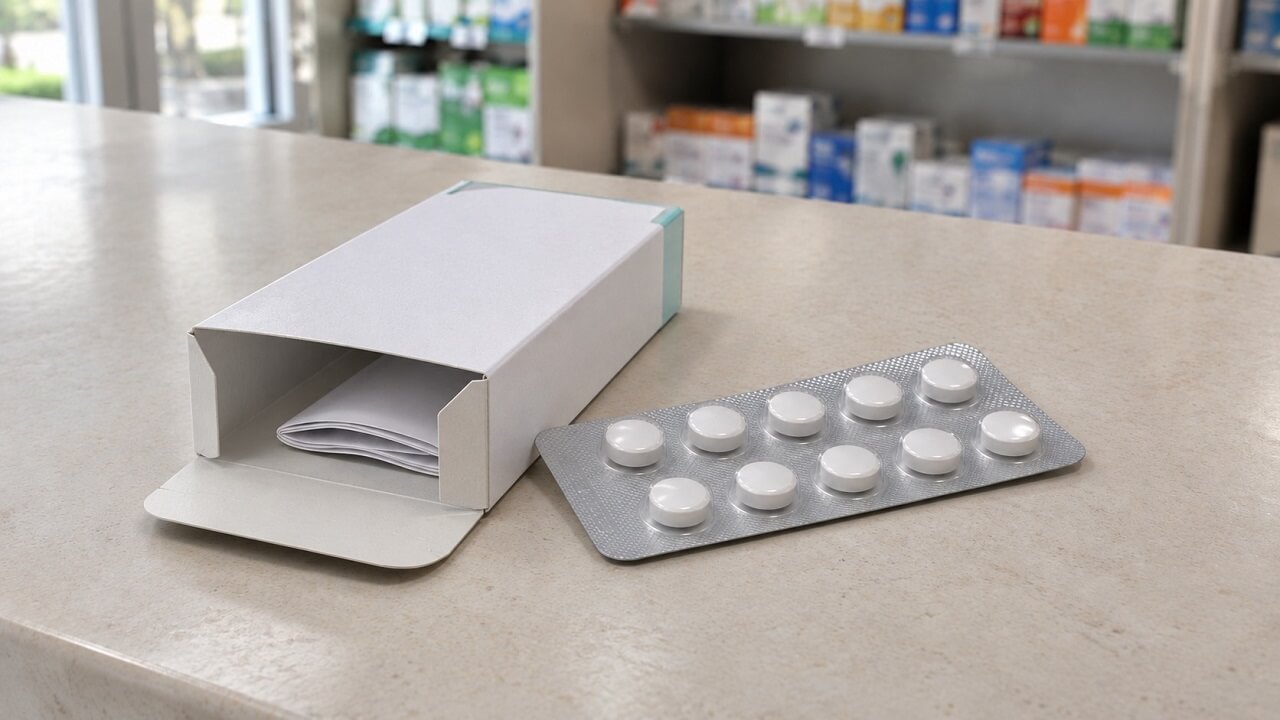
Translated text often occupies more space than the original. Manufacturers working with small medicine cartons, blister packs, ampoules, or multilingual packaging need to anticipate text expansion before production.
According to the FDA’s carton and container labeling resources, the presentation and prominence of required information are important considerations for pharmaceutical labeling.
During packaging preparation, regulatory and production teams should check font size, line breaks, warning visibility, expiration dates, batch identification, and the placement of mandatory information.
The final printed proof should undergo a separate review. An accurate translation can still become unsafe if important text is cropped, misplaced, or obscured during packaging preparation.
Establish a Documented Translation Quality Control Process
Pharmaceutical labeling translation should involve several verification stages, with clearly assigned responsibilities and documented approvals.
A reliable translation workflow includes the following steps:
- Source document verification: Confirm that translators are working with the correct approved document or authorized submission draft.
- Specialized medical translation: Assign linguists with relevant pharmaceutical knowledge and experience.
- Independent linguistic review: Have a second qualified professional examine the translation for omissions, inaccuracies, and terminology discrepancies.
- Regulatory and medical review: Confirm that the translated content meets applicable market requirements and preserves clinical meaning.
- Final approval: Record authorization before releasing the translated materials for submission or production.
Back translation may also be useful for particularly sensitive content when justified by project requirements. However, it should complement independent review rather than replace it.
Under 21 CFR 211.125, drug manufacturers must exercise strict control over labeling materials issued for production. Translation approval records can support the wider labeling control process.
Protect Confidential Pharmaceutical Information
Translation projects may involve unpublished clinical findings, proprietary formulations, manufacturing specifications, and commercially sensitive regulatory submissions.
Manufacturers should evaluate how translation providers receive, store, process, and dispose of confidential files.
Restricted document access, confidentiality agreements, encrypted file transfers, and defined data retention policies are important safeguards. Manufacturers should also establish rules governing the use of artificial intelligence and external translation platforms.
Through our technical translation services, we help pharmaceutical manufacturers translate complex technical documentation while recognizing the importance of confidentiality, information security, and regulatory accuracy.
Manage Labeling Updates After Regulatory Approval

Regulatory approval does not mark the end of pharmaceutical labeling translation. New clinical findings, emerging safety concerns, and changes in therapeutic recommendations can require manufacturers to revise existing product information.
A viewpoint published in JAMA Internal Medicine examines the importance of incorporating new evidence about drug effectiveness into FDA approved labeling.
Manufacturers need a centralized system that identifies affected language versions, records revision histories, and tracks implementation deadlines across markets.
Outdated packaging files should be withdrawn from active production workflows. Local regulatory teams must also assess the appropriate submission and implementation procedures for each change.
Frequently Asked Questions
Can pharmaceutical manufacturers use machine translation for drug labels?
Machine translation can assist with selected tasks within a controlled workflow. However, unreviewed machine generated content should not be released as pharmaceutical labeling. Qualified human verification remains essential.
Is certified pharmaceutical translation mandatory?
Not universally. Certification requirements depend on the regulatory authority, document type, and submission procedure. Manufacturers should confirm the applicable requirements before commissioning translations.
How long does pharmaceutical labeling translation take?
Turnaround depends on document length, language combinations, clinical complexity, regulatory review requirements, and the number of approval stages. Manufacturers should include time for packaging verification and potential regulatory corrections.
Who is responsible for errors in translated drug labeling?
The applicable manufacturer, applicant, or marketing authorization holder retains relevant regulatory responsibilities even when translation is outsourced. Working with an external provider does not remove those obligations.
Conclusion
Pharmaceutical labeling translation directly affects regulatory compliance, patient safety, and access to international markets. Manufacturers need to budget for translation, independent verification, packaging checks, and ongoing document maintenance throughout the product lifecycle.
Working with qualified pharmaceutical translators from the early stages of regulatory preparation can reduce avoidable corrections and help prevent costly production delays.
At Elmura Linguistics, we help pharmaceutical manufacturers meet regulatory requirements and communicate critical medical information accurately across languages. Contact us to discuss your pharmaceutical labeling translation needs and receive professional support throughout the regulatory submission and product lifecycle.