

Applying to a US university with academic records from another country can get confusing fast. One school asks for a certified translation, another wants a credential evaluation, and deadlines are approaching. Getting the paperwork right early can save you from rejected documents, extra fees, and unnecessary application delays.
To translate a foreign transcript for a US university, first check the university’s admission requirements. Obtain your official academic records, arrange an English translation through an accepted provider, request certification if required, and submit both the original document and its translation.
Some universities also require a separate credential evaluation to compare your qualifications with the US education system. Elmura Linguistics offers professional academic translation services to help applicants prepare their educational documents accurately.
How to Translate a Foreign Transcript Step by Step
The process is fairly straightforward once you know what your university expects. Follow the steps below before submitting your application.
Step 1: Check Your University’s Translation Requirements
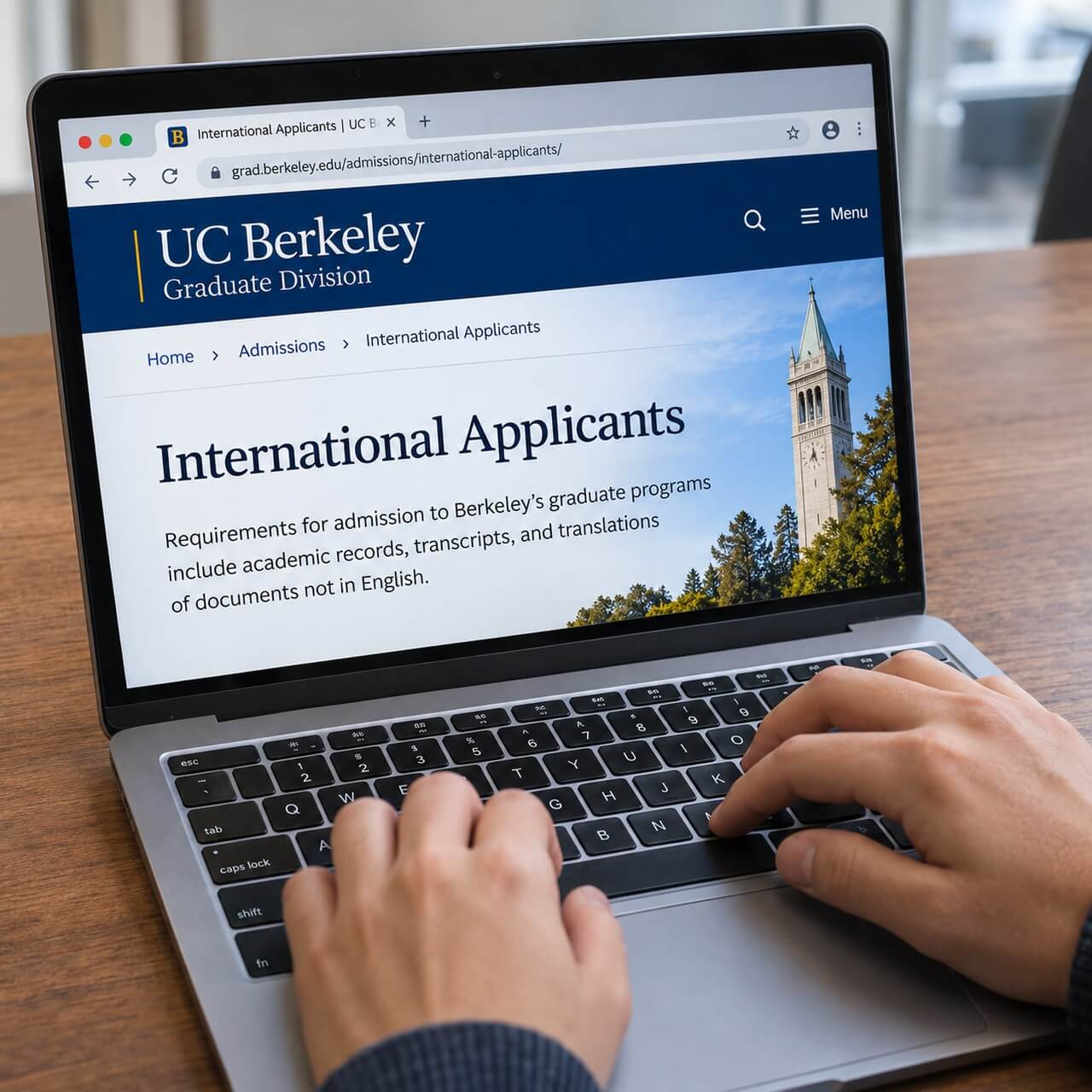
Start with the international admissions page of your chosen university. Look for instructions about foreign transcripts, English translations, certification, and document submission.
Pay attention to three questions:
- Does the university require a certified English translation?
- Must the translator hold specific professional credentials?
- Can you upload the translation yourself, or must it come directly from an authorized source?
Requirements can differ considerably.
For example, Temple University requires translations prepared by the issuing institution or an American Translators Association certified translator for its graduate admissions process.
Meanwhile, UC Berkeley accepts specified translation options for international graduate applicants, including qualifying certified translators and certain credential evaluation reports.
Never assume that a translation accepted by one university will automatically satisfy another.
Step 2: Gather Your Original Academic Documents
Before contacting a translator, collect every academic record requested by the admissions office.
Common documents include:
- Official transcripts showing completed courses and grades
- Diplomas or degree certificates
- Secondary school leaving certificates
- Grading scales or explanations of academic marks
- Supplementary examination records, when required
Make sure every page is readable. Blurry scans, missing pages, and cropped seals can create problems during translation.
If your university requests a diploma alongside your transcript, review the requirements for certified diploma translation before preparing your documents.
Step 3: Choose an Accepted Translation Provider

Your transcript contains academic terminology that must be translated consistently. Course names, grades, credits, dates, and qualifications all matter.
Look for a translator experienced with educational records and familiar with US university requirements.
You can arrange certified document translation services when your university accepts translations from professional providers.
However, some institutions restrict who may prepare translations. Confirm their policy before placing an order.
Step 4: Request a Complete and Accurate Translation
The English version should reflect everything relevant in the original transcript.
That includes:
- Student and institution names
- Course titles and academic departments
- Grades, credits, and grading scales
- Enrollment and graduation dates
- Official stamps, signatures, and annotations
A translator should preserve the original grades instead of independently converting them into American equivalents.
For example, a grade of 8 on a 10 point scale should not simply become a B without an authorized evaluation.
UC Berkeley specifically instructs applicants to preserve degree names and grades rather than convert them into US grading terminology.
Step 5: Review and Submit Your Documents

Once the translation is complete, compare it with the original transcript.
Check the spelling of names, dates, course titles, and numerical grades. Small errors can create inconsistencies between your application and supporting documents.
Then follow your university’s submission instructions.
Some institutions accept uploaded copies during the initial application stage but require official documents later. Others require records to be sent directly by the issuing institution.
For example, the University of Toledo specifies direct submission procedures for official academic records.
Certified Translation vs. Credential Evaluation
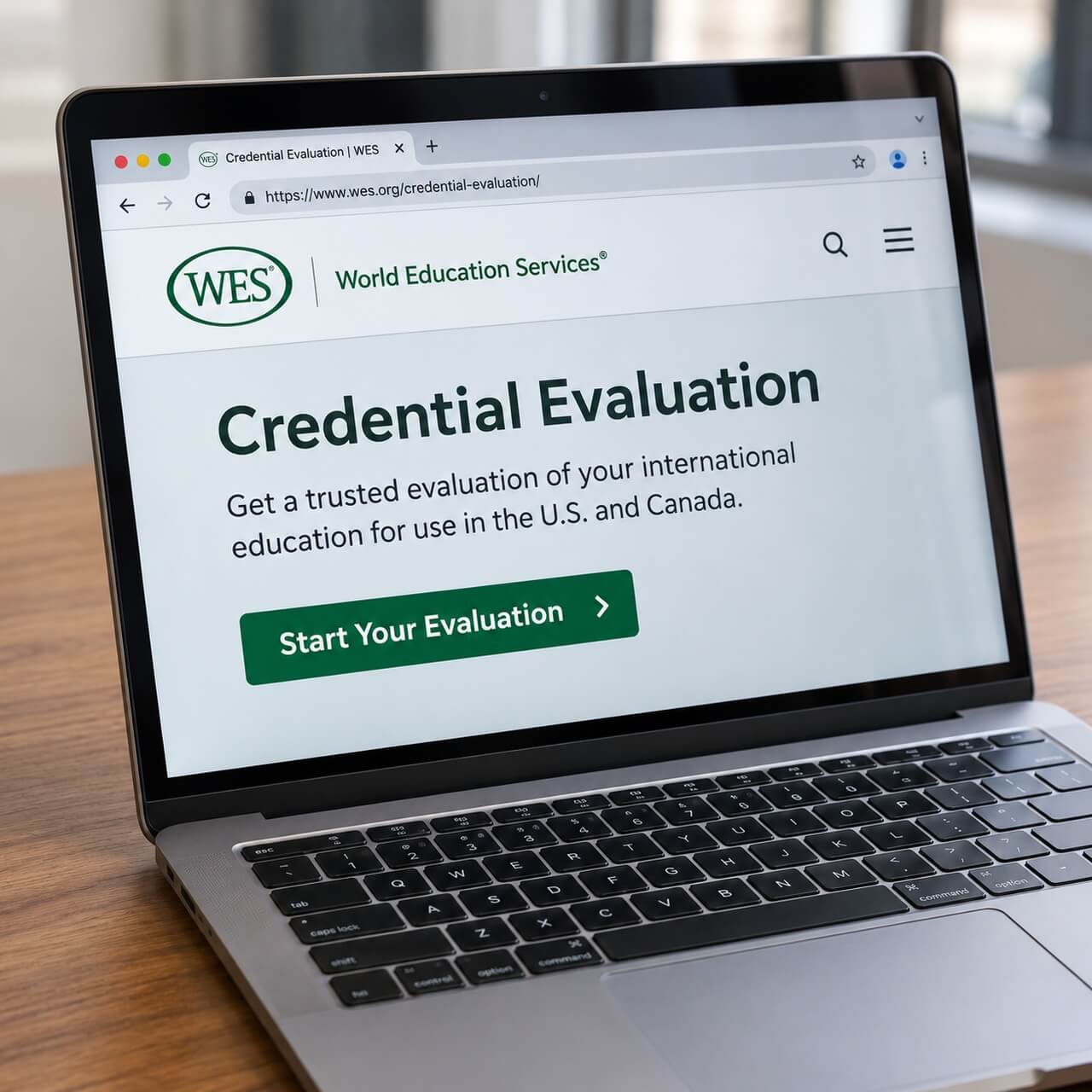
One of the most common mistakes applicants make is treating translation and credential evaluation as interchangeable services.
They serve different purposes, and your university may require one or both.
| Requirement | What It Provides | When You May Need It |
|---|---|---|
| Standard English translation | An accurate English version of your academic record | When the university accepts translations without formal certification |
| Certified translation | An English translation accompanied by a signed statement confirming accuracy and completeness | When the admissions office specifically requests certified documents |
| Credential evaluation | An assessment comparing foreign qualifications, coursework, or grades with the US education system | When the university requires US degree equivalency or a course by course evaluation |
The University of Maryland, for example, lists credential evaluation and certified translation requirements for certain international applicants.
A certified translation alone does not establish the US equivalency of your degree.
Does a Foreign Transcript Translation Need to Be Notarized?
Not necessarily. Many universities request certified translations without requiring notarization.
According to the American Translators Association, a certification statement normally identifies the document and languages, confirms the translation’s accuracy and completeness, and includes the translator’s qualifications, name, signature, and date.
Notarization is a separate procedure. It verifies the identity of the person signing the document rather than the accuracy of the translation itself.
American Translators Association (ATA)+1
Before paying for notarization, check your university’s exact wording.
If the instructions mention only a certified translation, ask the admissions office before ordering additional services.
Common Mistakes That Can Delay Your Application

Even applicants who prepare their paperwork early can run into problems.
The following mistakes are particularly worth avoiding.
Translating the Transcript Yourself
Speaking fluent English does not mean your university will accept a translation you prepared.
The University of Toledo, for example, explicitly rejects translations completed by students.
Always check who is authorized to translate your records.
Submitting Only the English Version
Many universities want both the original academic record and its English translation.
UC Berkeley’s graduate admission guidance states that applicants generally must provide records in their original language alongside translations.
Keep both versions ready, even when the translated copy looks complete.
Ordering a Translation Too Late
Translation takes time, especially when records contain multiple pages, handwritten notes, or specialized academic terminology.
If you are translating documents from Spanish, for example, Elmura Linguistics’ Spanish translation services can help prepare educational records for English language submission.
Request your translation well before the application deadline. Leave time for corrections and any additional certification your university may request.
Assuming Every University Has the Same Rules
Different institutions may have different rules for electronic submissions, certified translators, notarization, and evaluations.
Check the specific admissions requirements for each program on your application list.
Frequently Asked Questions
Can I Translate My Own Transcript for a US University?
You should not assume that self translation is acceptable. Many institutions require translations prepared by an independent qualified professional or the issuing school. Check your university’s policy before submitting anything.
How Much Does It Cost to Translate a Foreign Transcript?
Prices depend on the language, document length, complexity, certification requirements, and delivery deadline. Request a quote using clear copies of every page to avoid unexpected charges.
How Long Does Academic Transcript Translation Take?
Turnaround varies by provider and document complexity. A short, clearly printed transcript may be completed relatively quickly, while longer records can require additional time. Confirm the delivery date before ordering.
Do US Universities Accept Digital Certified Translations?
Some universities accept digital uploads during application review. Others require official electronic delivery or physical documents. Follow your institution’s submission instructions.
Conclusion
Translating a foreign transcript for a US university application starts with checking the admissions requirements. Once you know which documents, certification, and delivery method your university accepts, the remaining steps become much easier.
Prepare clear copies, choose an accepted translation provider, verify every academic detail, and submit your documents before the deadline.
A little preparation now can prevent unnecessary delays when your application reaches the admissions office.