

You need a certified diploma translation when a U.S. university, immigration authority, licensing organization, or employer requests certified English translations of your educational records.
The requirement depends on where you submit your documents. A foreign diploma does not automatically need translation if it is already issued in acceptable English. Likewise, not every application requires notarization or a credential evaluation.
Before ordering, check three things: which documents are required, who may translate them, and how they must be submitted. Getting those answers early can prevent delays close to your deadline.
When Is a Certified Diploma Translation Required in the USA?
The receiving organization sets the requirements. Even when two organizations request the same diploma, they may accept different translators, certification statements, or submission methods.
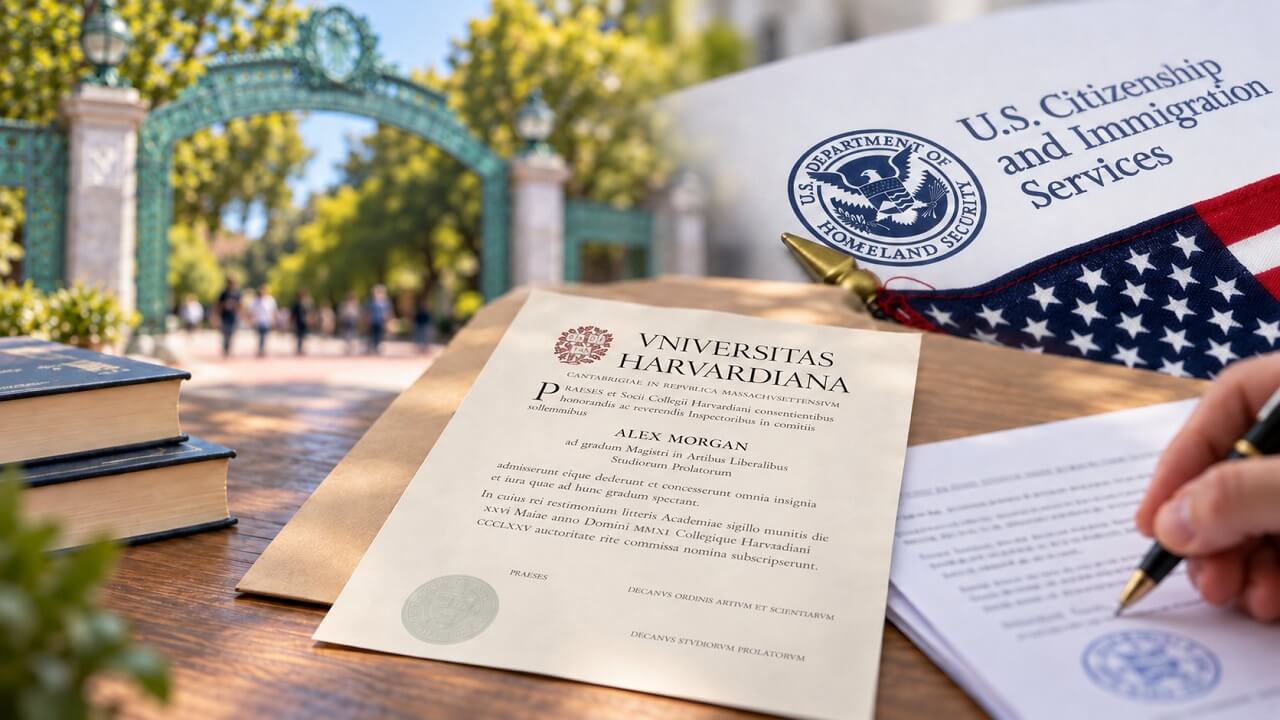
Applying to a U.S. College or University
You may need a certified English translation when applying with educational records issued in another language. Depending on the program, the school may request your diploma, academic transcript, or both.
These documents serve different purposes. Your diploma confirms the qualification awarded. Your transcript shows courses, grades, and credits.
For example, UC Berkeley’s graduate admissions requirements identify accepted translation routes when academic records are not in English and the issuing university does not provide a translation. This illustrates why applicants should check the school’s rules before choosing a provider.
Also check when translations are needed. The requirements for an initial application may differ from those for final enrollment.
Submitting a Diploma to USCIS
If your USCIS application includes a diploma containing foreign language text, it must be accompanied by a complete English translation.
Under 8 CFR § 103.2(b)(3), the translator must certify that the translation is complete and accurate and that they are competent to translate from the source language into English. The regulation does not impose a general notarization requirement.This does not mean every immigration applicant needs to submit a diploma. Educational evidence is required only when relevant to the application.
Through our USCIS translation services, we translate diplomas and academic transcripts for immigration submissions. Send us the relevant document checklist so we can review the translation requirements.
Seeking Professional Licensure
Applicants with foreign qualifications may need translated educational records for professional licensing in the United States. Requirements depend on the profession, state board, and organization evaluating the education.
For example, NCEES credentials evaluations require documents in the original language to be accompanied by literal English translations completed by a certified translation service. The evaluation compares education against the applicable NCEES education standard.
A diploma alone may not be enough. The evaluator may also need transcripts or course descriptions to assess your studies.
Check the state board’s instructions before arranging either translation or evaluation.
Verifying Qualifications for Employment
A U.S. employer may request a certified translation to verify a foreign degree, particularly when education is a condition of employment.
However, certification is not automatically required for every job application. Some employers accept an English diploma issued by the university or request translated records only during background screening.
Ask HR which documents are needed and whether a separate screening provider has its own requirements. This avoids ordering a translation that does not match the verification process.
What Should You Confirm Before Ordering?
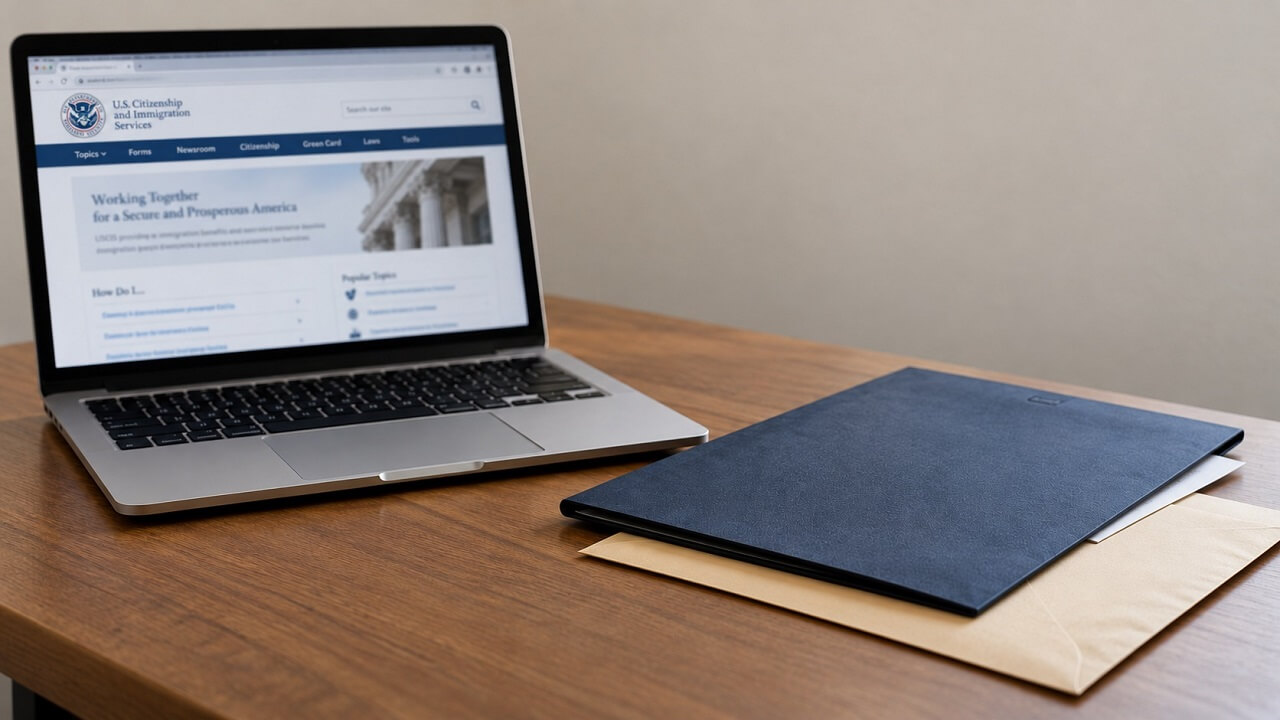
If the instructions only say “official translation,” ask the recipient to explain what it accepts. That phrase alone does not tell you whether a signed certification, particular translator credentials, or notarization is necessary.
| Purpose | What to confirm | Documents that may be needed |
|---|---|---|
| College or university admission | Accepted translators and application stage | Diploma and transcript |
| USCIS submission | Complete English translation and required certification | Diploma and supporting educational records |
| Professional licensing | State board and evaluator requirements | Diploma, transcript, and course descriptions |
| Employment verification | Whether certification is required | Diploma or graduation confirmation |
Confirm the delivery method too. An uploaded PDF, printed translation, and university document sent directly to the recipient are different submission options.
A certified translation does not replace an official transcript when direct delivery from your university is required.
Do You Need Translation, Credential Evaluation, or Both?
A certified diploma translation and a credential evaluation answer different questions.
The translation communicates what your diploma says. The evaluation assesses how your foreign education compares with U.S. educational qualifications.
For example, translating a degree title into English does not establish that it is equivalent to a U.S. bachelor’s degree. That determination belongs to the evaluator.

If the recipient requests an evaluation, confirm:
- Which evaluation organizations it accepts.
- Whether it needs a document or course level report.
- Which records must be translated.
- Whether documents must come directly from your university.
The translation should preserve the qualification and grading information accurately. Grades should not be converted to a U.S. GPA or degree titles replaced with assumed American equivalents.
Is Notarization Required?
Not automatically. For USCIS, the general translation rule requires certification of accuracy, completeness, and translator competence, rather than notarization.
A university, employer, or licensing organization may have additional requirements. Follow its written instructions instead of adding notarization simply because the document was issued abroad.
The same approach applies to an apostille. Arrange one only if the receiving organization specifically requires document authentication.
How to Prepare Your Diploma for Translation
Send a clear scan of the complete diploma. Include the reverse side if it contains text, stamps, or annotations, and provide any transcripts listed in the recipient’s requirements.
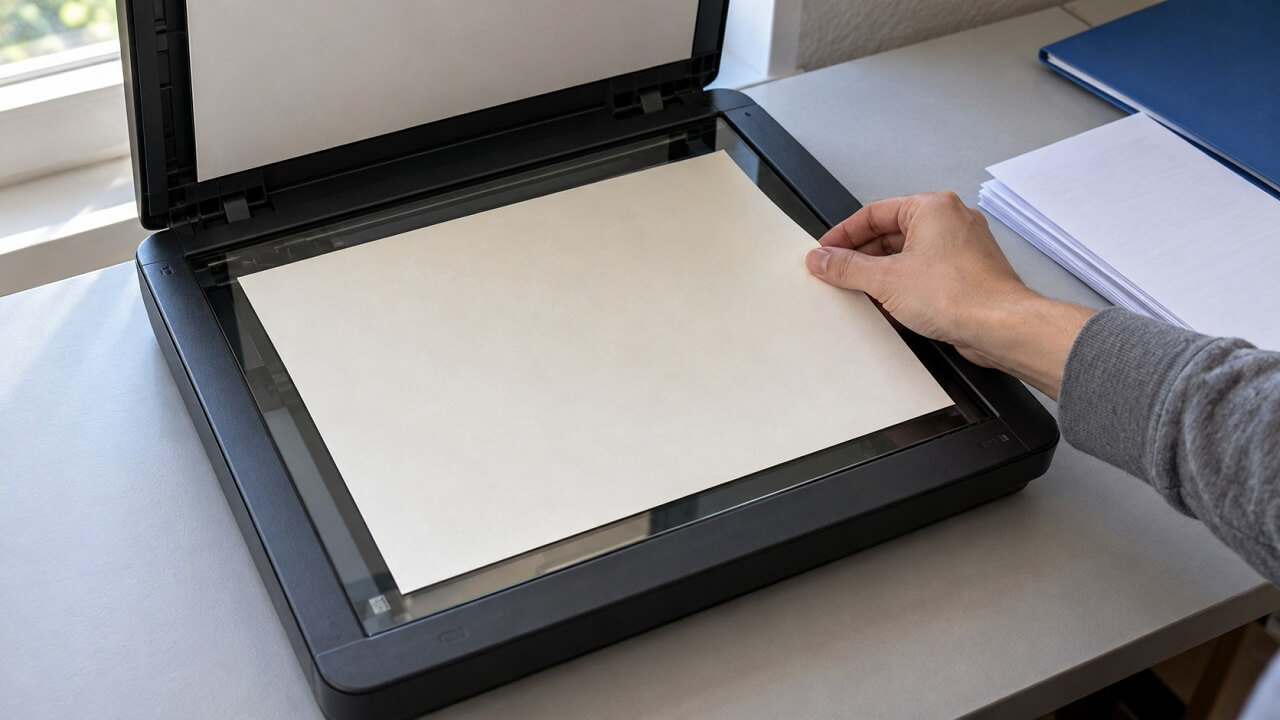
Along with your documents, send us:
- The receiving organization’s translation instructions.
- Your required submission date.
- The spelling of your name used in your application.
- Any certification or delivery requirements.
Flag name differences before translation begins. If your diploma shows a previous surname, the recipient may request separate evidence connecting it to your current name.
Our document translation service covers diplomas and academic transcripts.
We also provide Spanish translation services, including certified translations when required by schools and government agencies.
Before submitting, check names, dates, document numbers, and page completeness. If you notice an issue, ask us to review it rather than changing the certified translation yourself.
Frequently Asked Questions
These answers address common situations, but the receiving organization’s instructions should guide your order.
Can I Translate My Own Diploma?
Do not assume your translation will be accepted. Universities and licensing organizations may require an independent translator or particular credentials. The USCIS regulation specifies certification and competence requirements without expressly requiring a professional agency. Check the rules for your submission.
Does My Diploma Need Translation if It Is Already in English?
An additional English translation may be unnecessary if the recipient accepts the document as issued. However, it may still require the original language version, a transcript, or direct university delivery.
Do I Need to Translate My Transcript Too?
Only if the recipient requests it. Universities and licensing evaluators often need transcripts to review courses and grades, so check the complete document list before ordering.
Can I Reuse a Certified Translation?
Possibly. Confirm that the next recipient accepts its certification, translator qualifications, and delivery format. Acceptance by USCIS does not automatically establish acceptance by a university or licensing board.
How Long Will the Translation Take?
Send us your documents for a confirmed timeline. The language pair, number of pages, scan quality, and certification requirements affect delivery. Allow time to review the completed translation before your submission deadline.
Conclusion
You need a certified diploma translation when the U.S. organization receiving your educational records requires one. Check its rules before ordering, especially for university admissions, USCIS submissions, and professional licensing.
Share those instructions with us alongside your diploma so we can prepare the translation for your specific application.