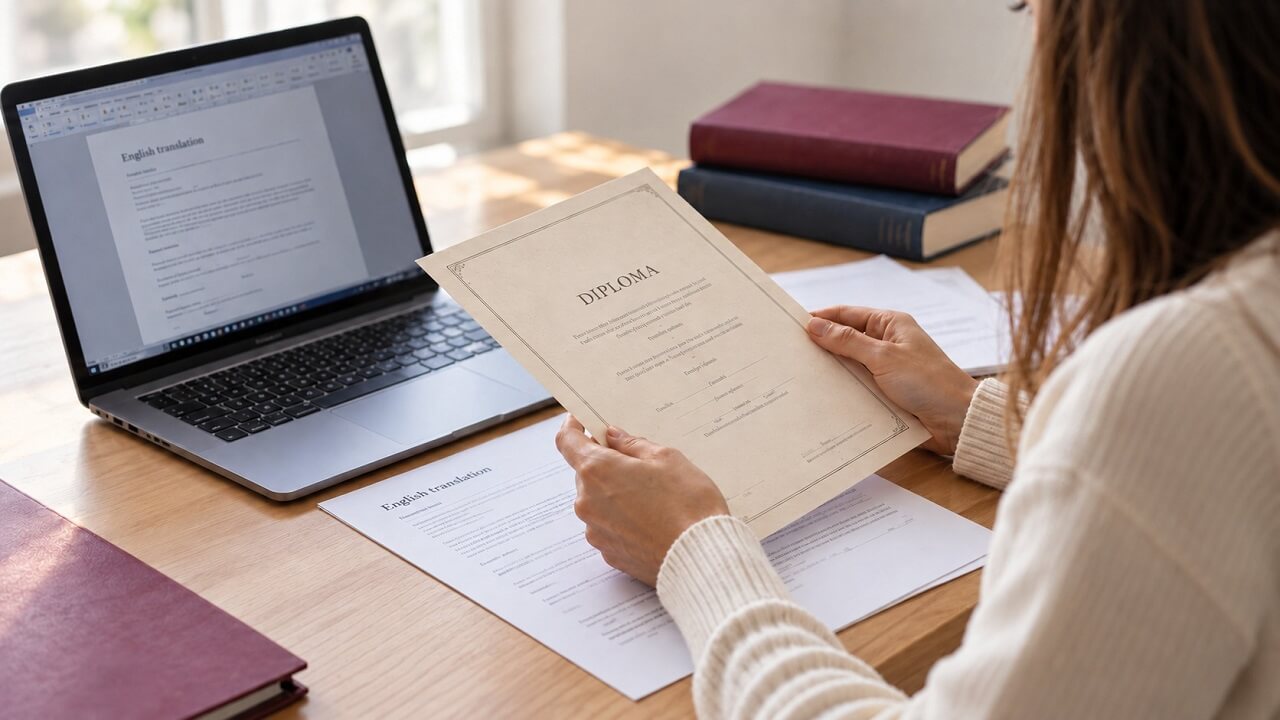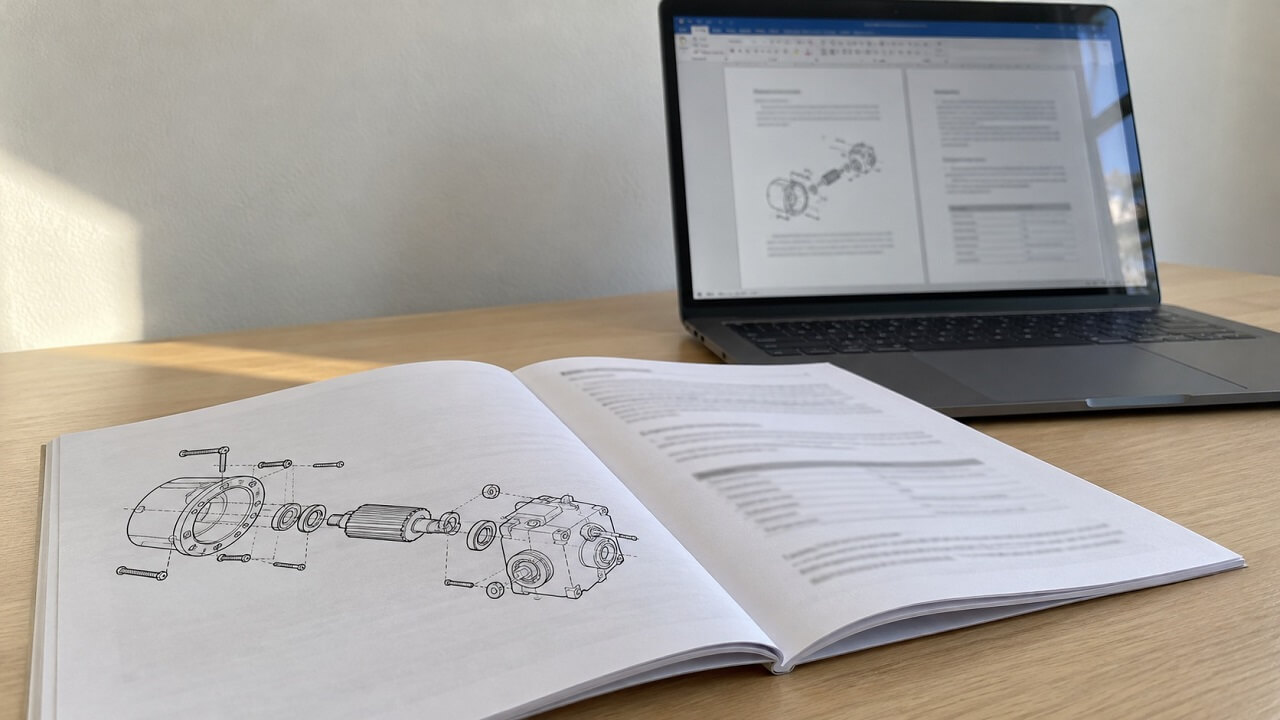


A patient goes home with the wrong dosage because “take twice daily” was rendered as “take two at once.” A contract clause loses its legal force because a synonym stood in for a term of art. These are not hypothetical scenarios; they are the kind of failures that show up in peer-reviewed research and legal proceedings.
The question of which translation method is more accurate is no longer purely academic. With AI tools handling more content every year, the stakes of getting this wrong have gone up, not down.
So, Which Method Is Actually More Accurate?
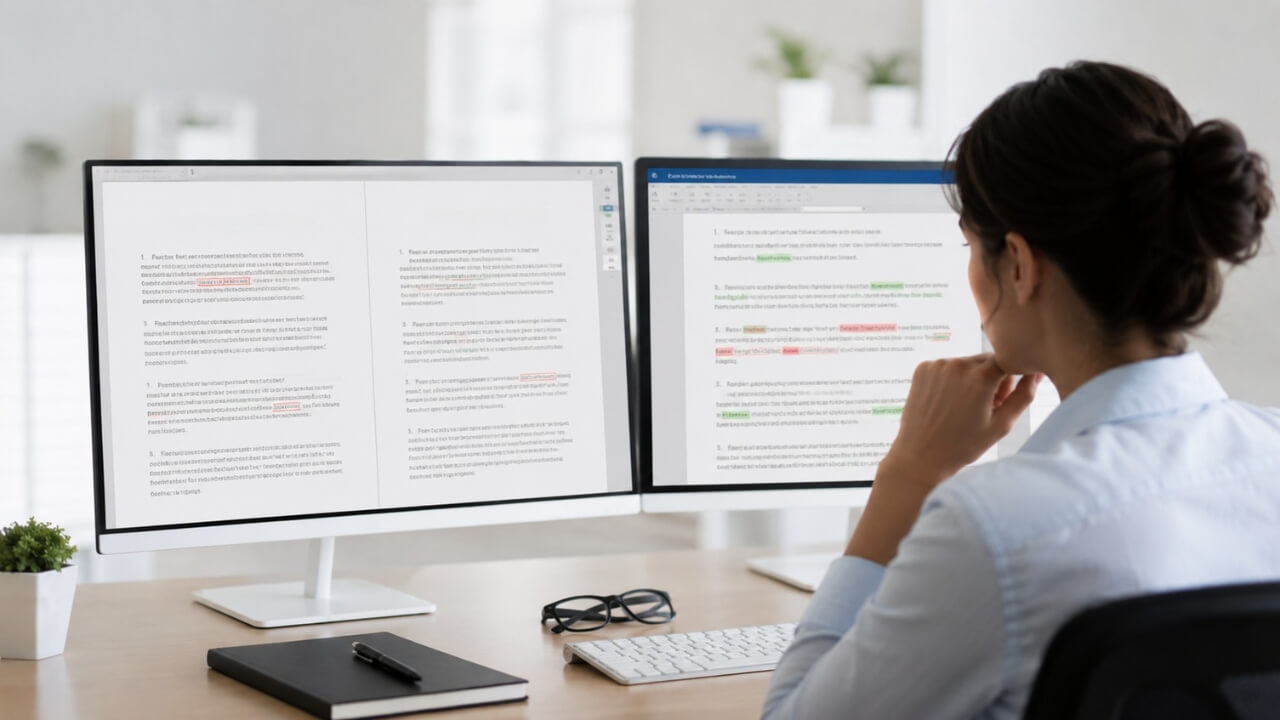
Machine translation has improved dramatically. Across major language pairs, AI translation acceptance rates now consistently exceed 80%, and custom AI models can reach 90%, which is on par with human output for certain content types. That is genuinely good performance, and it would be misleading to dismiss it.
The picture shifts in specialized or high-stakes content. AI translation tools tend to perform significantly worse with non-European languages, with error rates reaching 32 to 45% in languages such as Farsi and Armenian, and inaccuracies at that scale in critical medical communication carry serious consequences.
The honest position is this: machine translation is accurate enough for a growing range of everyday content, and clearly not accurate enough for content where a mistake costs you money, a client, or someone’s safety.
Where Each Method Performs Best
Here is a practical breakdown of how the two approaches compare across the factors that matter most in professional translation work:
| Factor | Machine Translation | Human Translation |
| Speed | Seconds to minutes | Hours to days |
| Cost | Low | Higher |
| General content accuracy | High (80-90%+) | High (95-100%) |
| Legal / medical accuracy | Unreliable | Essential |
| Cultural adaptation | Weak | Strong |
| Low-resource languages | Poor | Consistent |
| Tone and brand voice | Limited | Full control |
| Confidentiality | Risk with free tools | Contractually secured |
Where Machine Translation Works Well
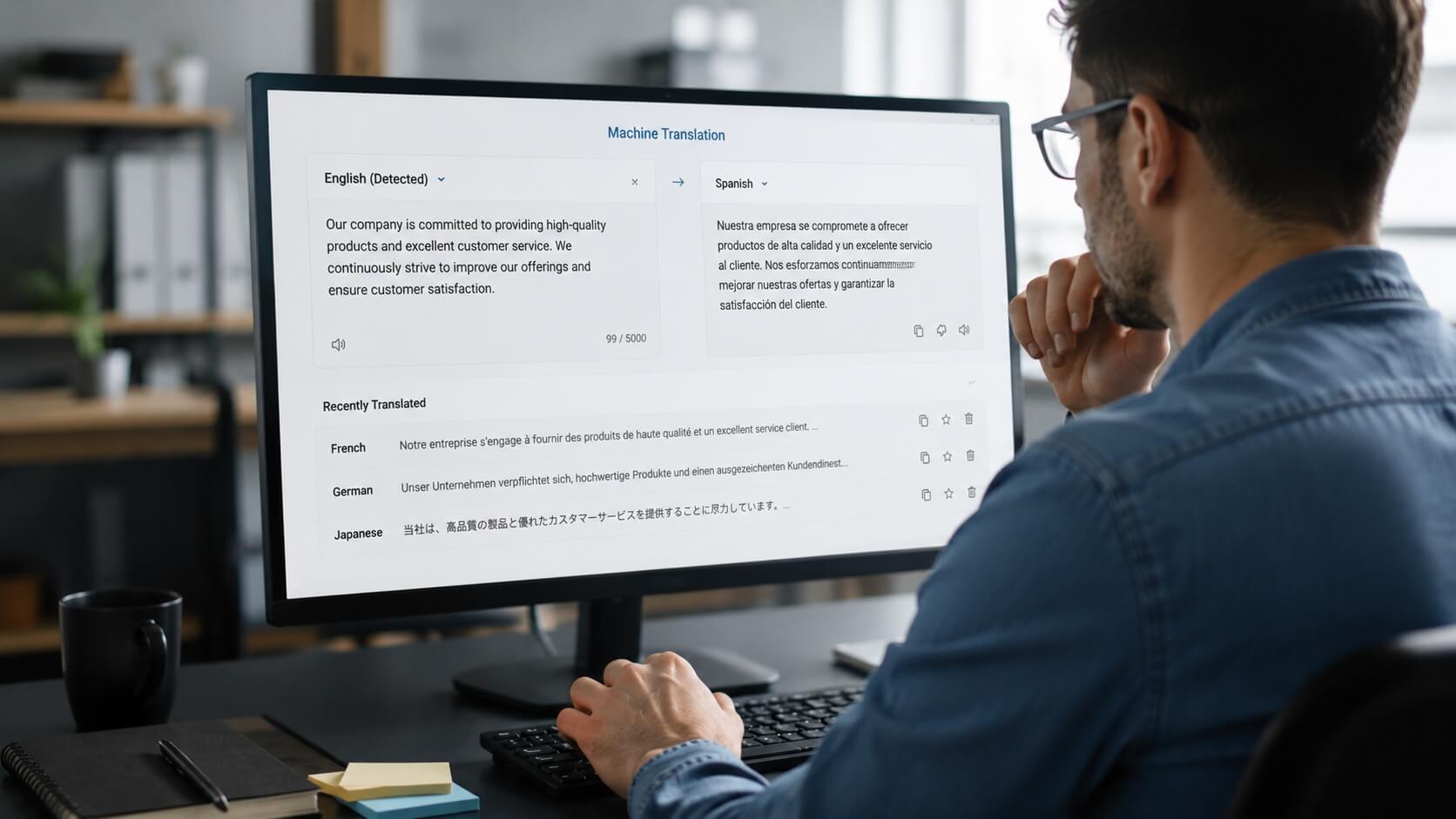
For high-volume, lower-stakes content, MT is a sound choice. Product descriptions, internal communications, software interface strings, social media posts, and knowledge base articles all fall into this category. The content is straightforward, the risk of misinterpretation is low, and MT handles it efficiently.
According to Tomedes, the machine translation market is projected to grow from $678 million in 2024 to nearly $995 million by 2032, a trajectory that reflects genuine and growing utility across business workflows.
Good use cases for MT:
- E-commerce product listings across multiple markets
- First-draft translations for internal review
- High-volume content with consistent, repeatable language
- Real-time customer support in lower-risk contexts
Where Human Translation Is Not Optional

Section 1557 of the Affordable Care Act, which governs language access in federally funded health programs, makes clear that machine translation alone is generally insufficient to meet civil rights requirements. Any use of these tools must be reviewed by a qualified human translator when the underlying text is critical for meaningful access for people with limited English proficiency.
Beyond regulatory requirements, there are content types where a human translator’s judgment is simply not replaceable:
- Legal contracts and regulatory filings (where a synonym can change legal effect)
- Medical records, discharge instructions, and patient-facing clinical content
- Marketing campaigns that depend on emotional resonance with a specific audience
- Literary or creative content where style and voice are part of the product
- Any content involving low-resource languages
At Elmura Linguistics, the majority of requests we handle fall into these categories. Our professional translation services page outlines the fields and language pairs we cover in depth.
The Hybrid Model: What the Research Shows
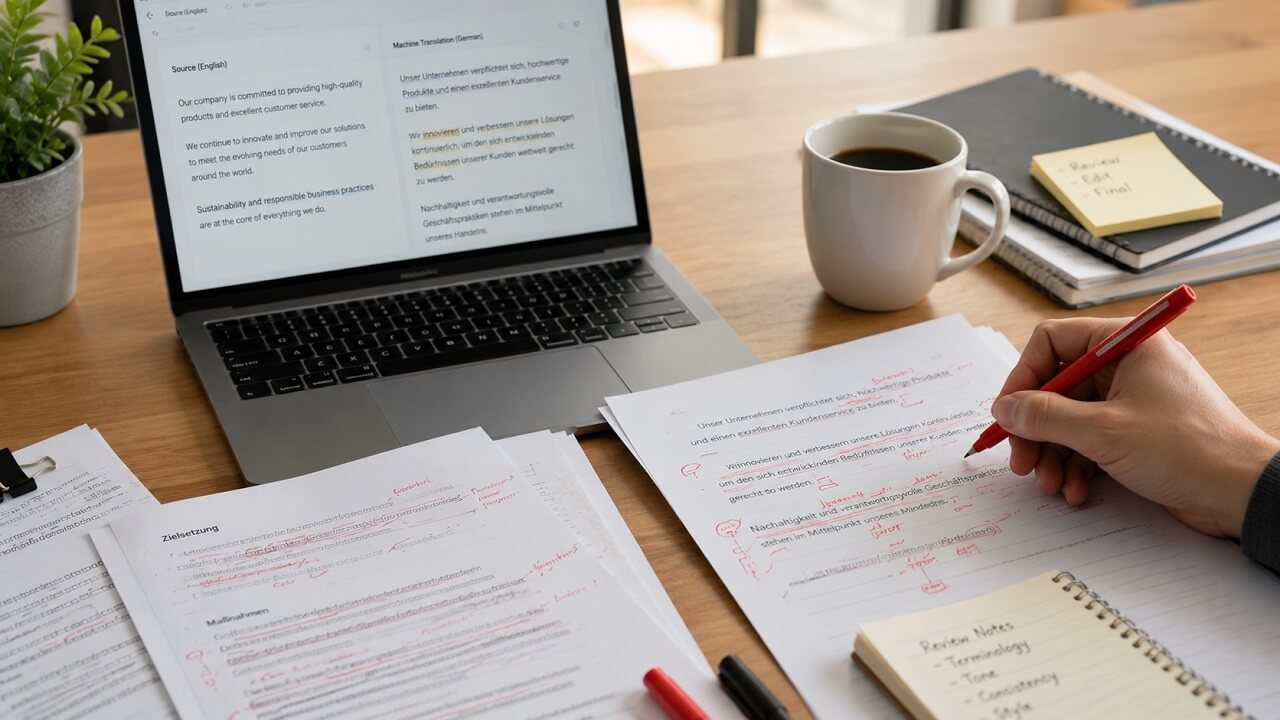
Most professional translation workflows today do not force a choice between MT and human work. They use both in sequence.
Machine Translation Post-Editing (MTPE) now offers a 30 to 50% cost reduction while maintaining human-level accuracy, and studies show post-editing can reduce editing time by up to 63% when supported by current language models.
In practice, MT generates the first draft and a professional translator reviews, corrects, and validates it. The machine handles volume and speed; the human handles judgment, tone, and domain accuracy.
The critical variable is calibrating how much human involvement the content requires. A software UI string and a clinical trial summary are both translation tasks, but they sit at opposite ends of the risk spectrum. Treating them the same way is where quality breaks down.
If you are deciding between full human translation and MTPE for your project, our guide to choosing the right translation service walks through that decision by content type and industry.
A Note on Language Pairs
MT accuracy is not uniform across languages. High-resource language pairs, such as English-French, English-German, and English-Spanish, show near-parity with human output in general and technical content. Low-resource languages show clear human superiority, and this gap persists even with the most advanced large language models available today.
This matters practically. An organization using MT for English-Spanish content and assuming the same performance will transfer to English-Arabic or English-Serbian is working from a false baseline.
FAQ
Conclusion
View this post on Instagram
The accuracy gap between machine and human translation is real, context-dependent, and consequential. MT has earned a permanent place in professional translation workflows, and dismissing it entirely would be as wrong as relying on it for everything. The organizations that get translation right are the ones that match the method to the content, not the ones that pick a side.
If you are not sure where your content falls on that spectrum, contact Elmura Linguistics for an honest assessment before the work begins.